Learn to see what you are looking at
Christopher Paolini
I love this quotation I just discovered this morning. Photography has taught me how to see what I’m looking at.
Years ago, I began to carry my camera with me as I walked to and from work, a distance of about two miles. I did that because I began to realize during those daily walks I was seeing things I hadn’t noticed before. I began to see individual flowers in a place where I had just seen a flower bed previously, for example. I took photos to capture what was newly revealed.
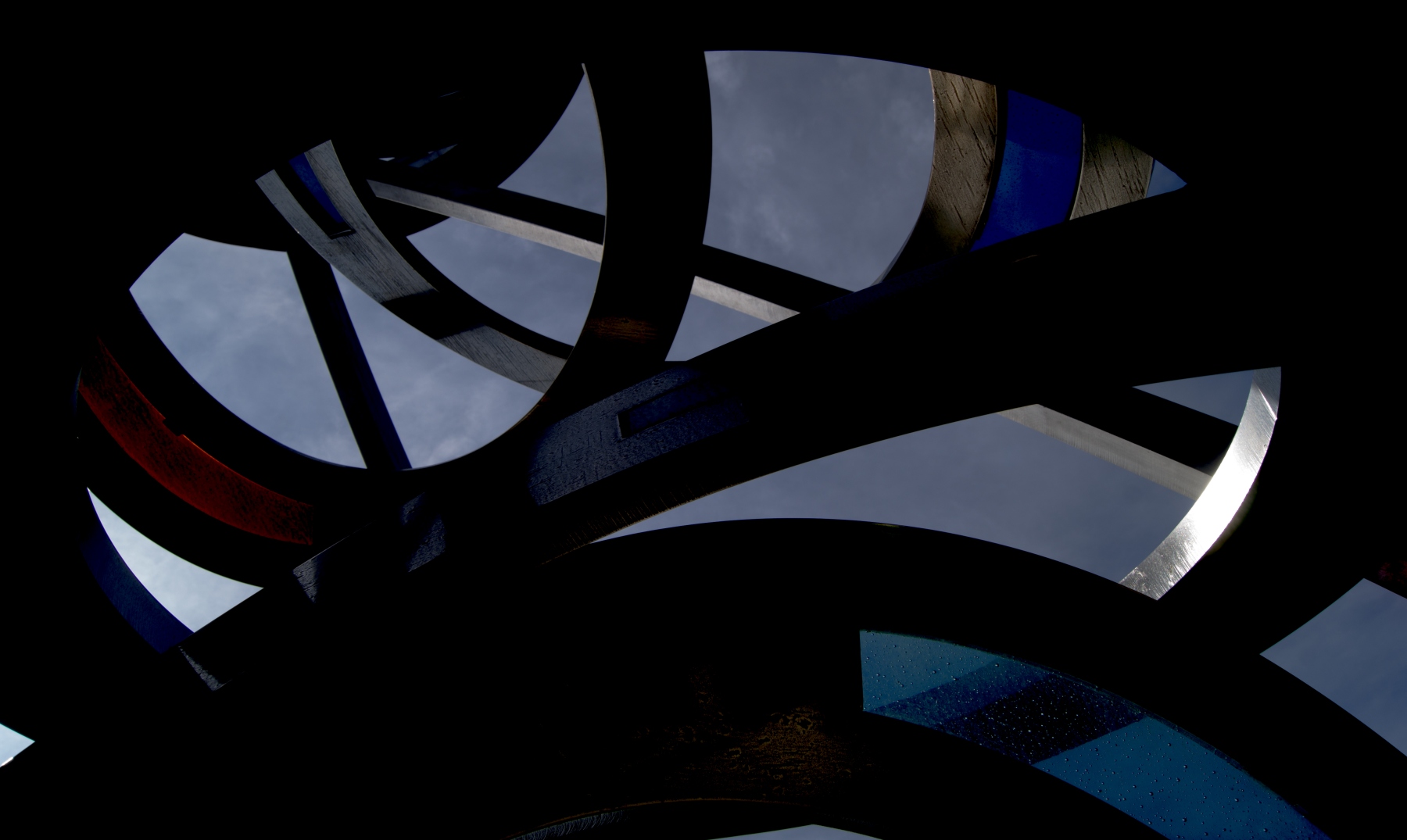
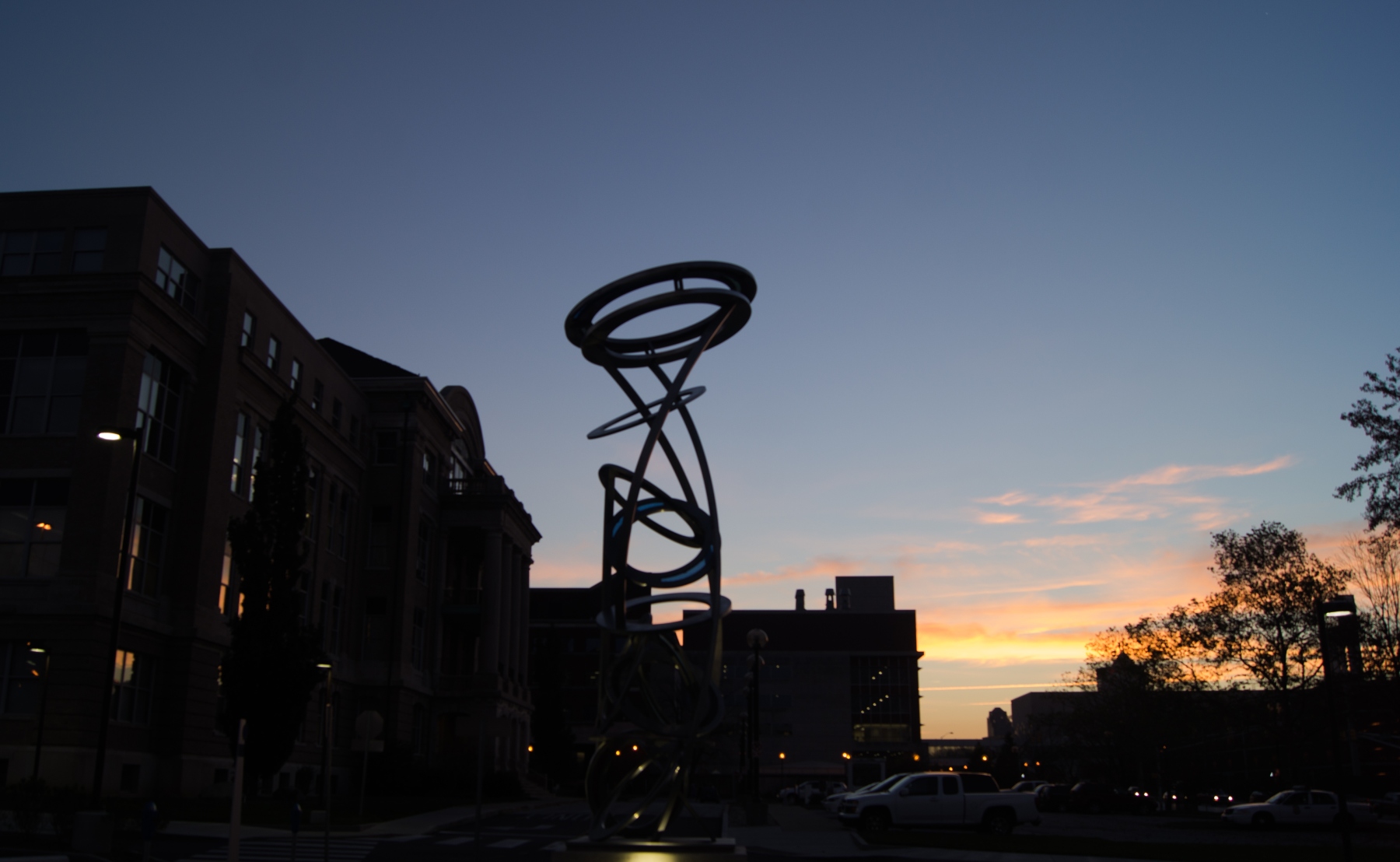
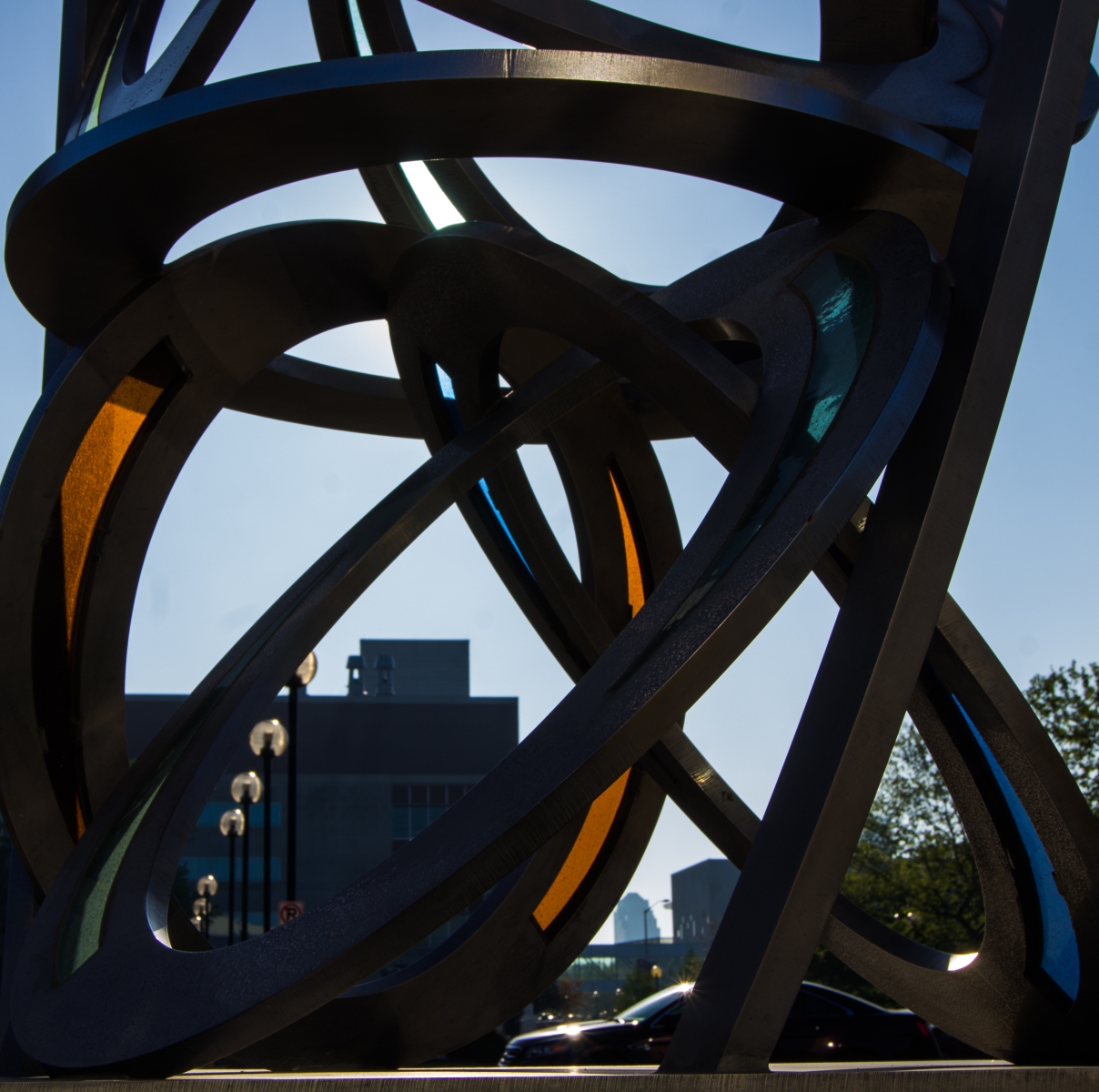
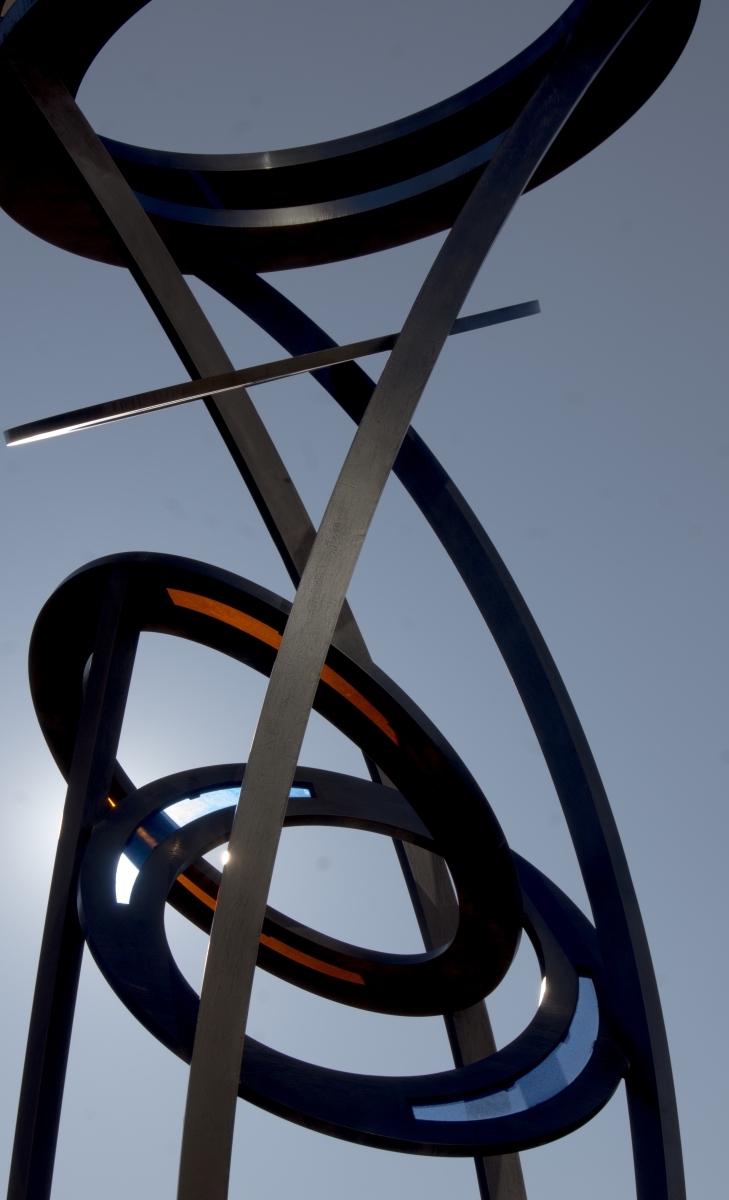
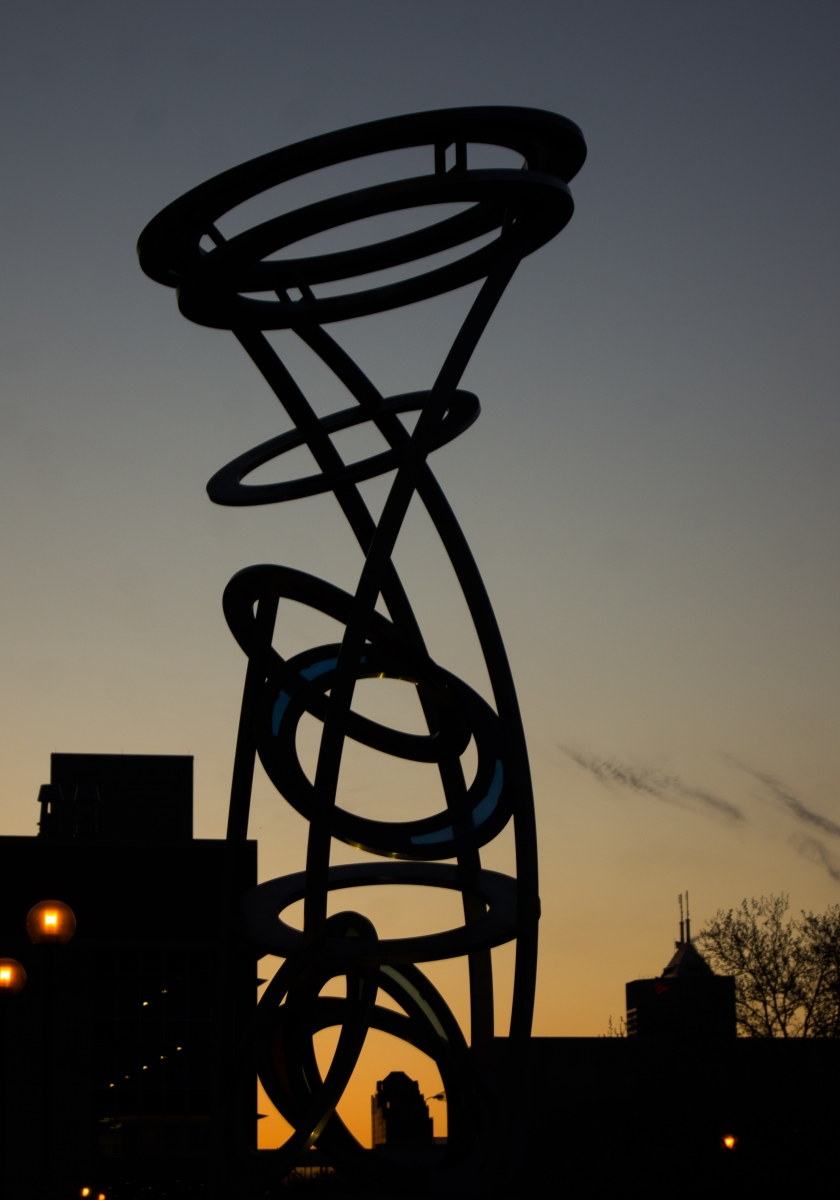
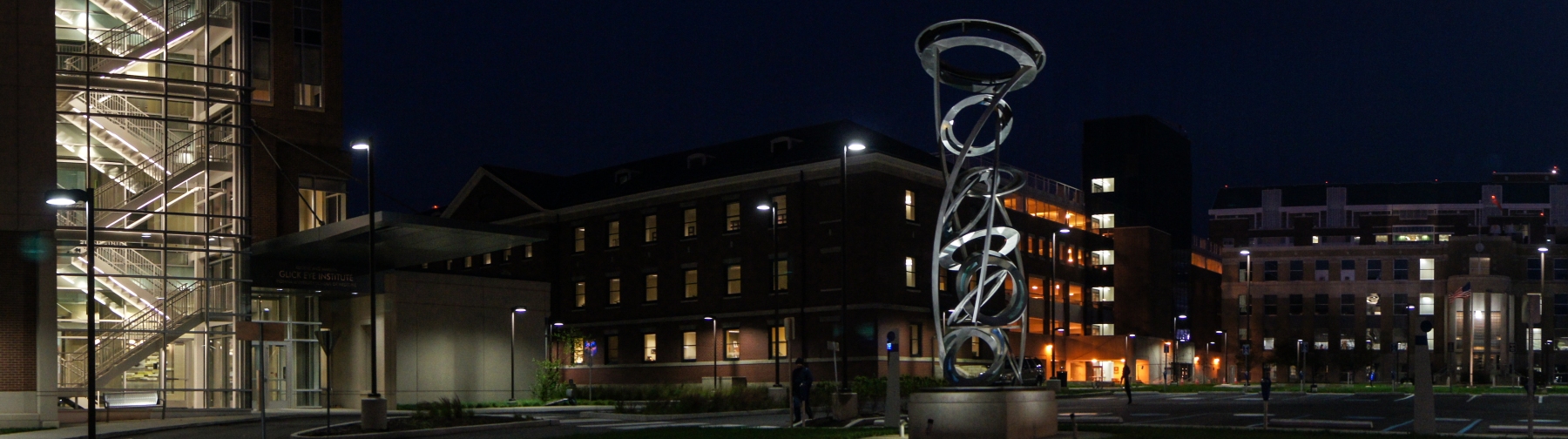
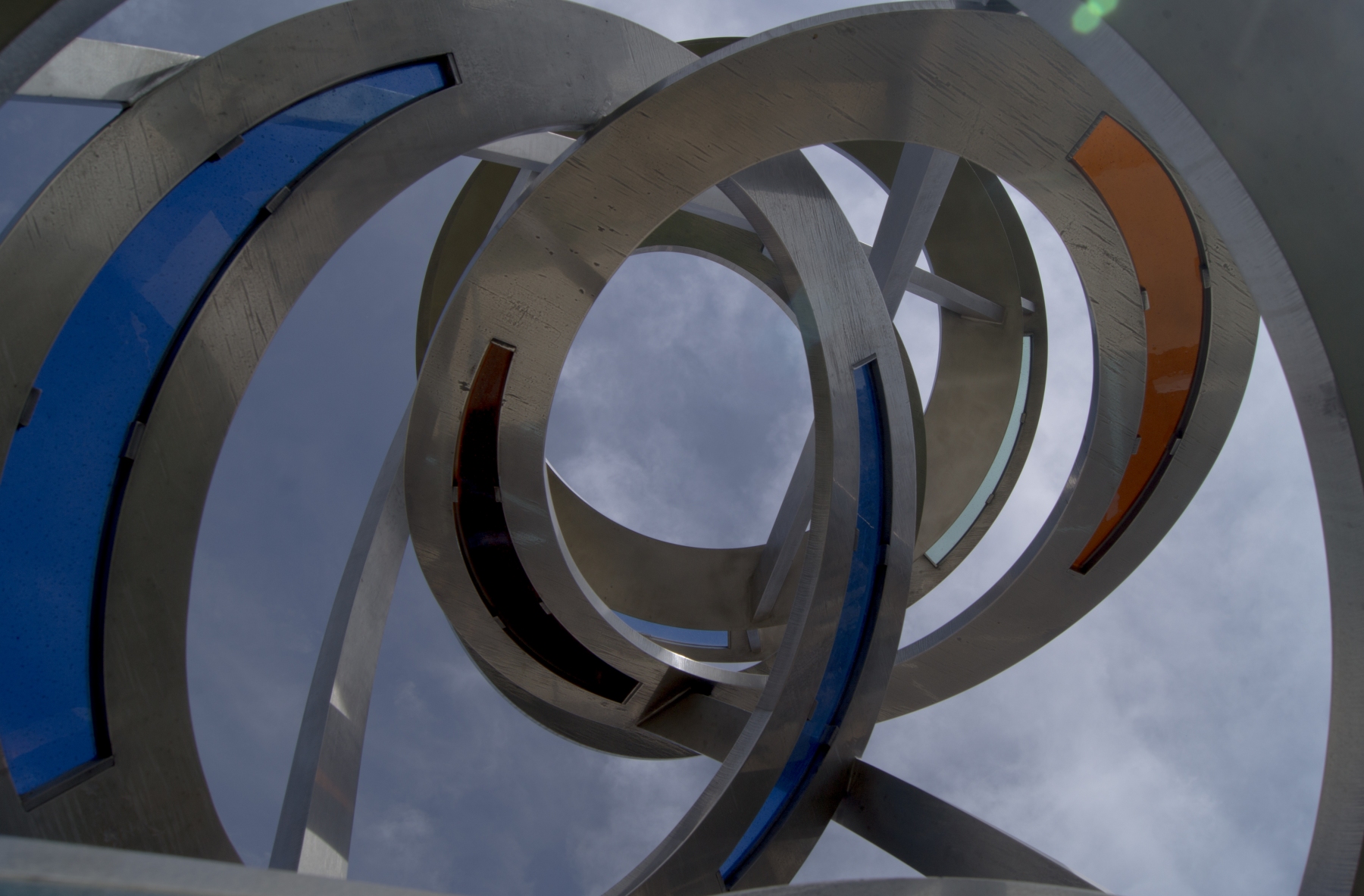
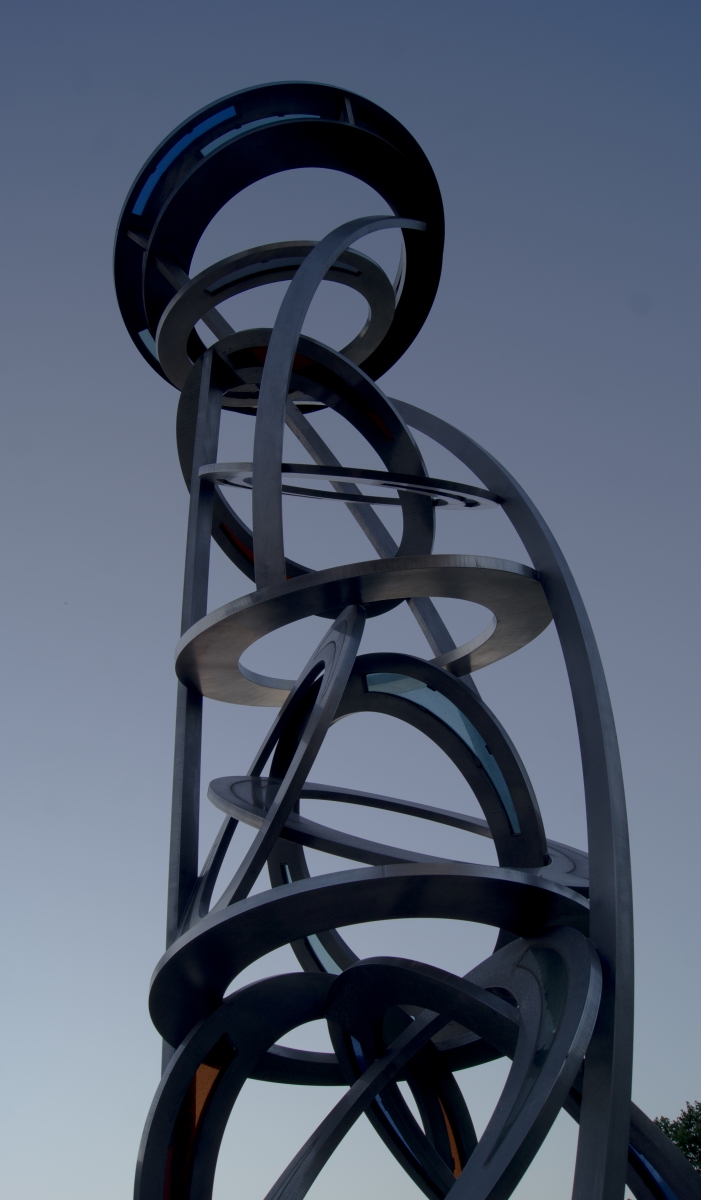
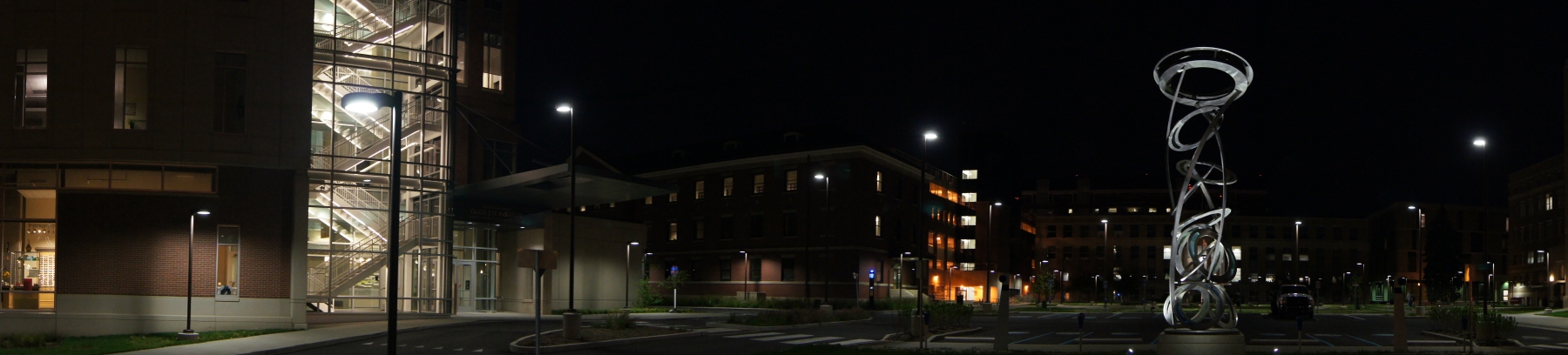
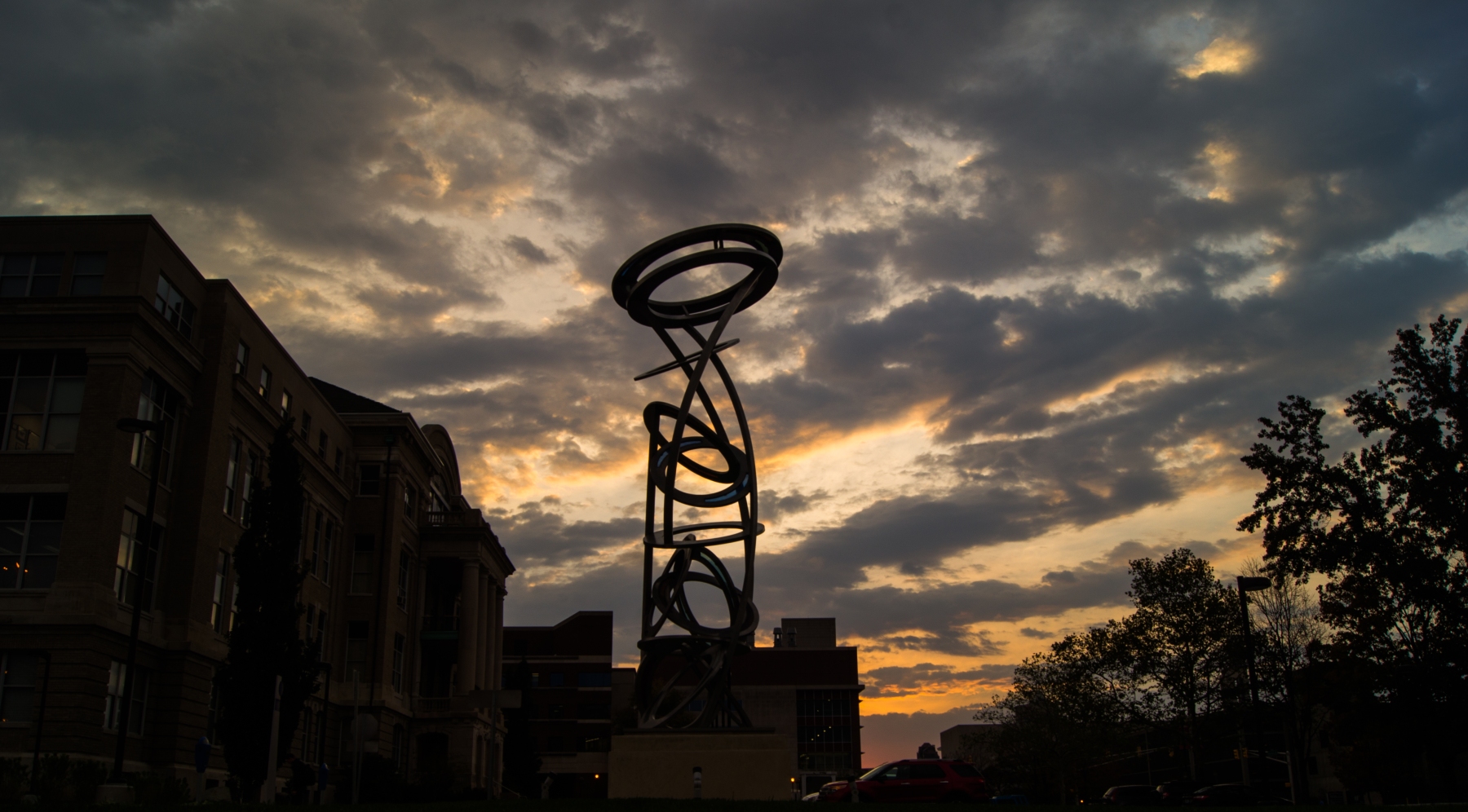
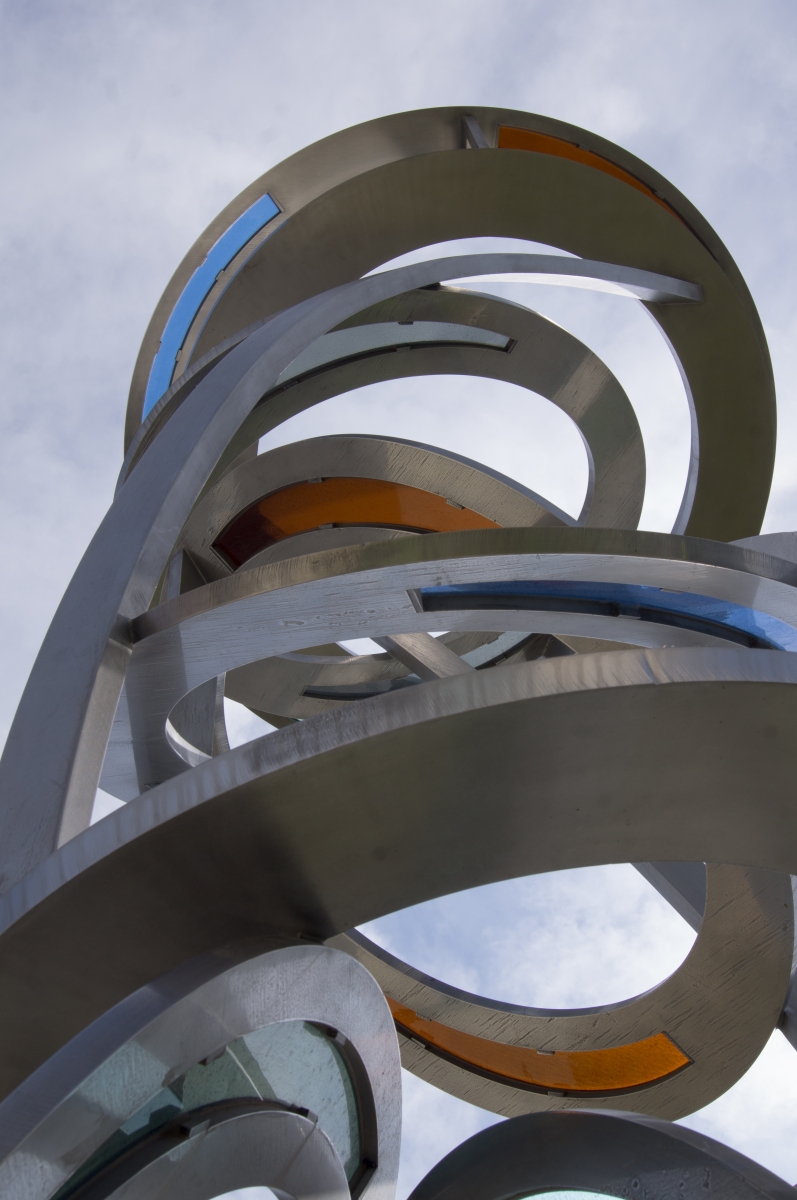
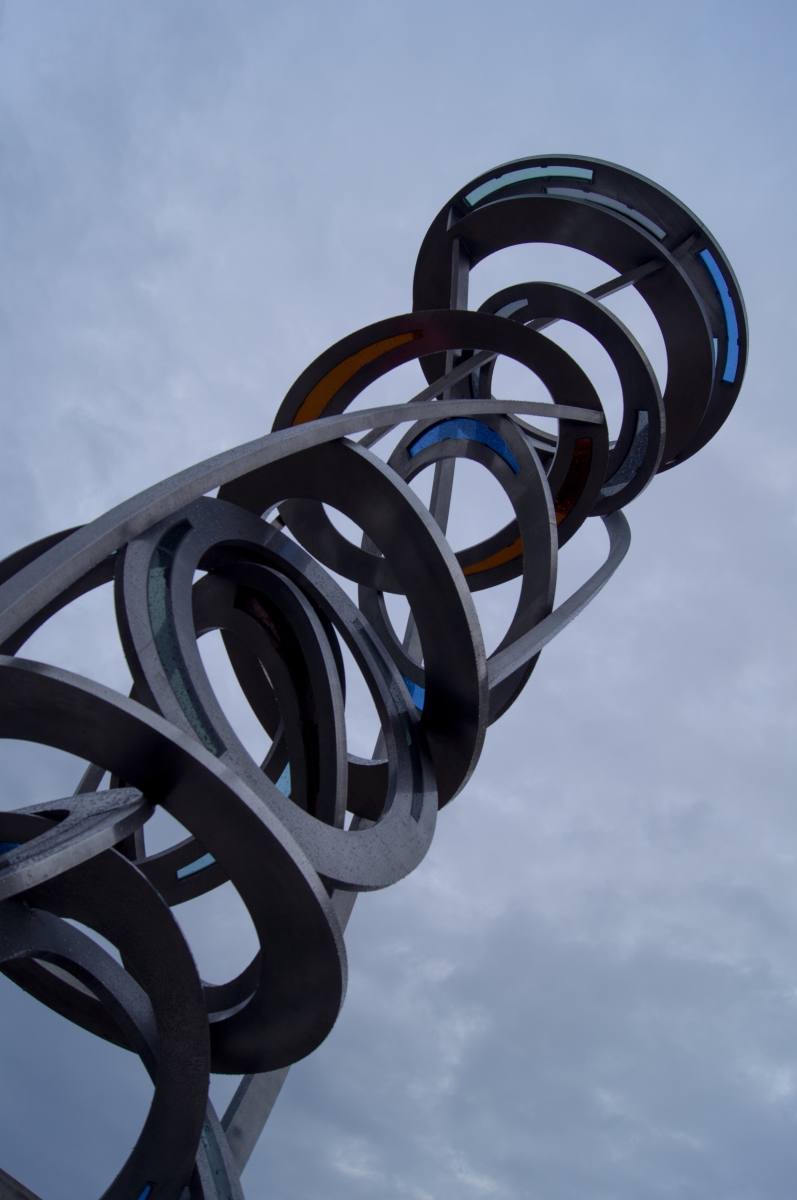
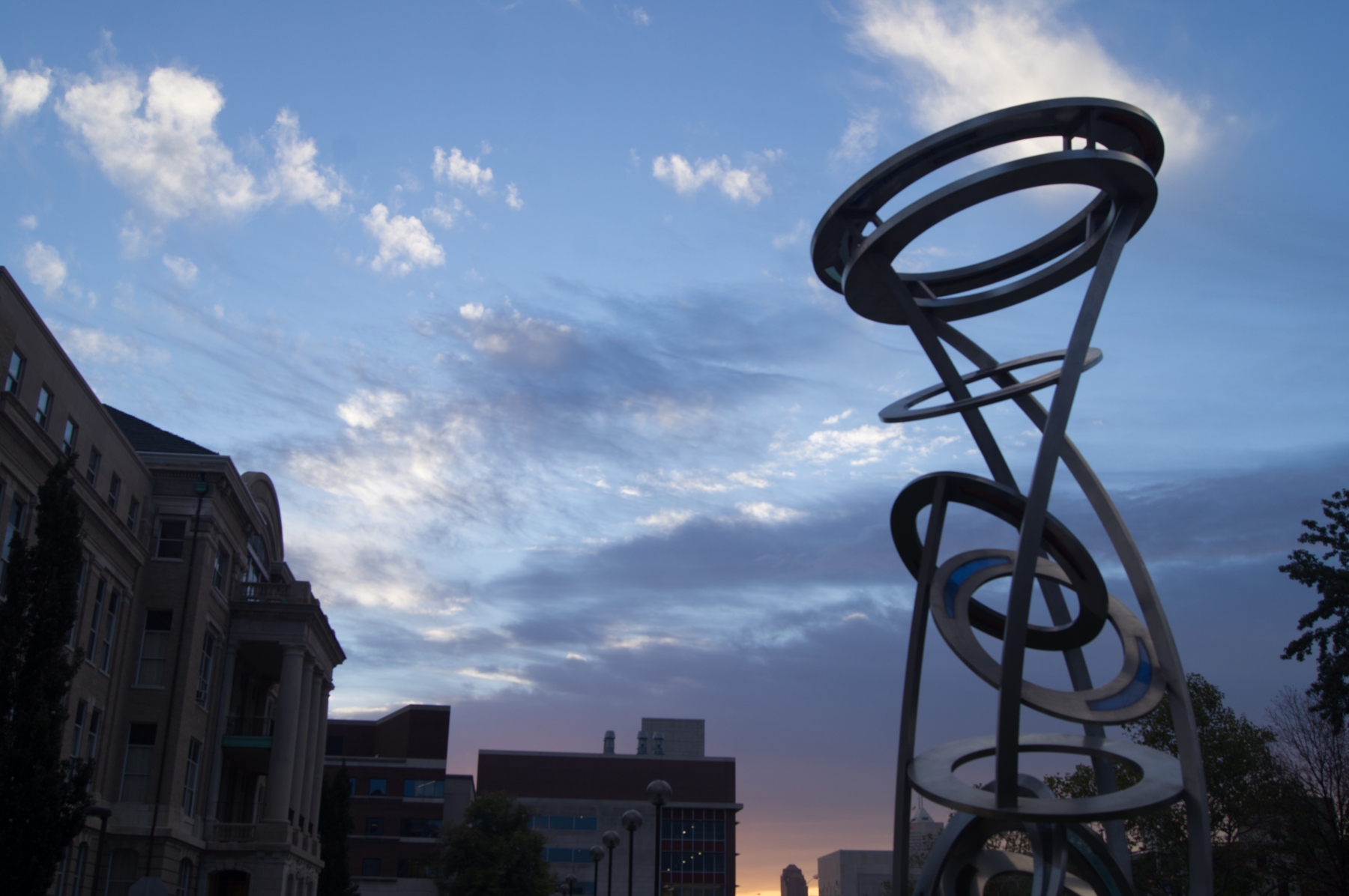
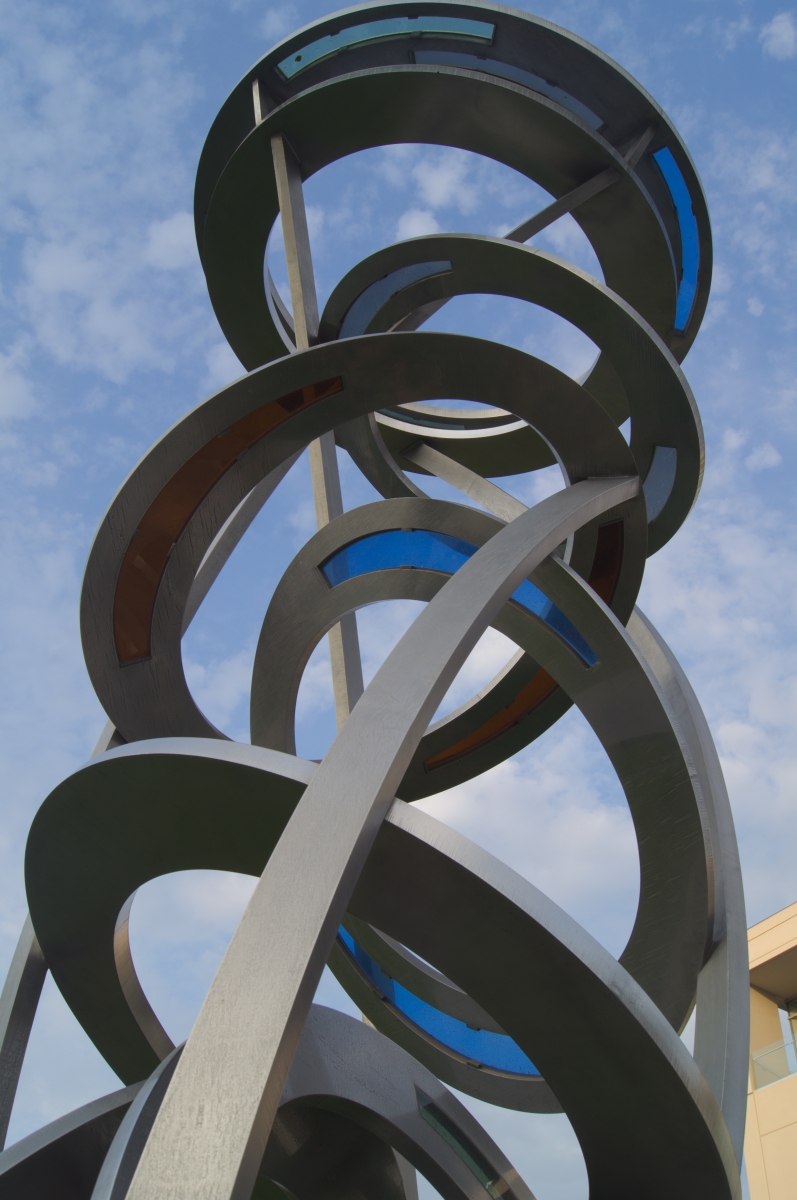
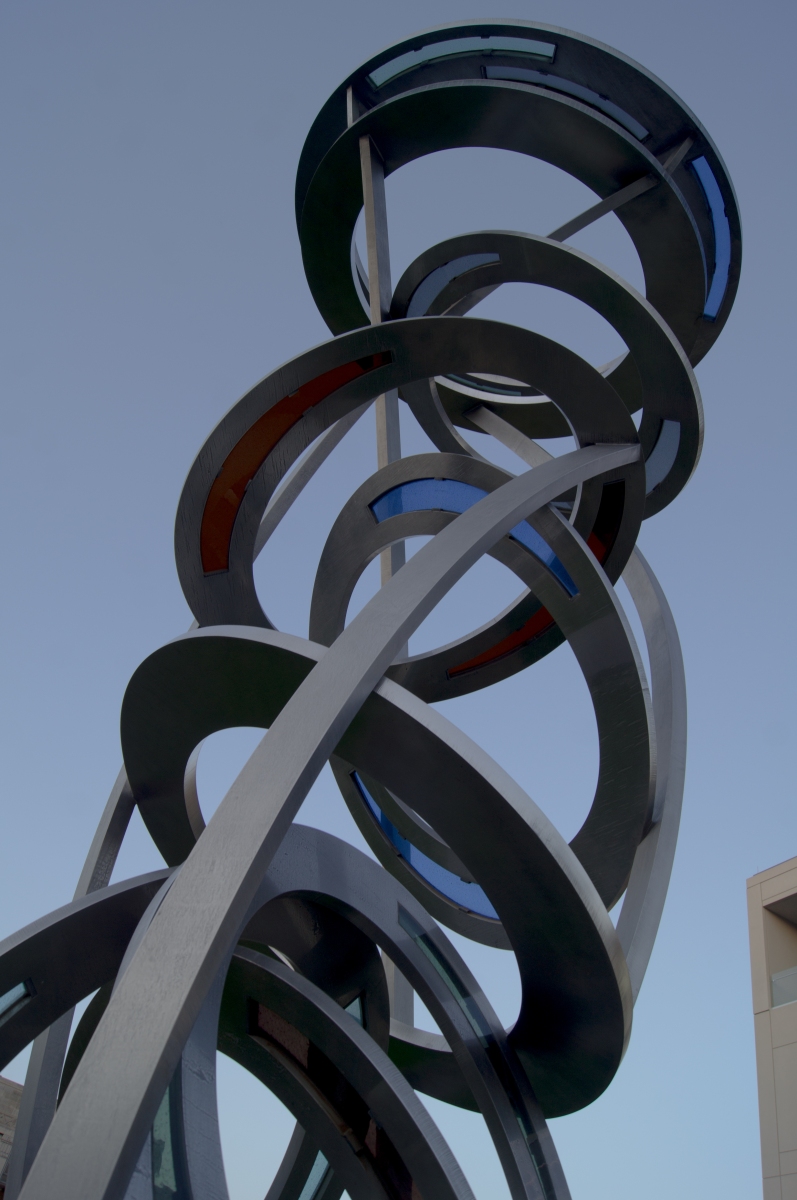
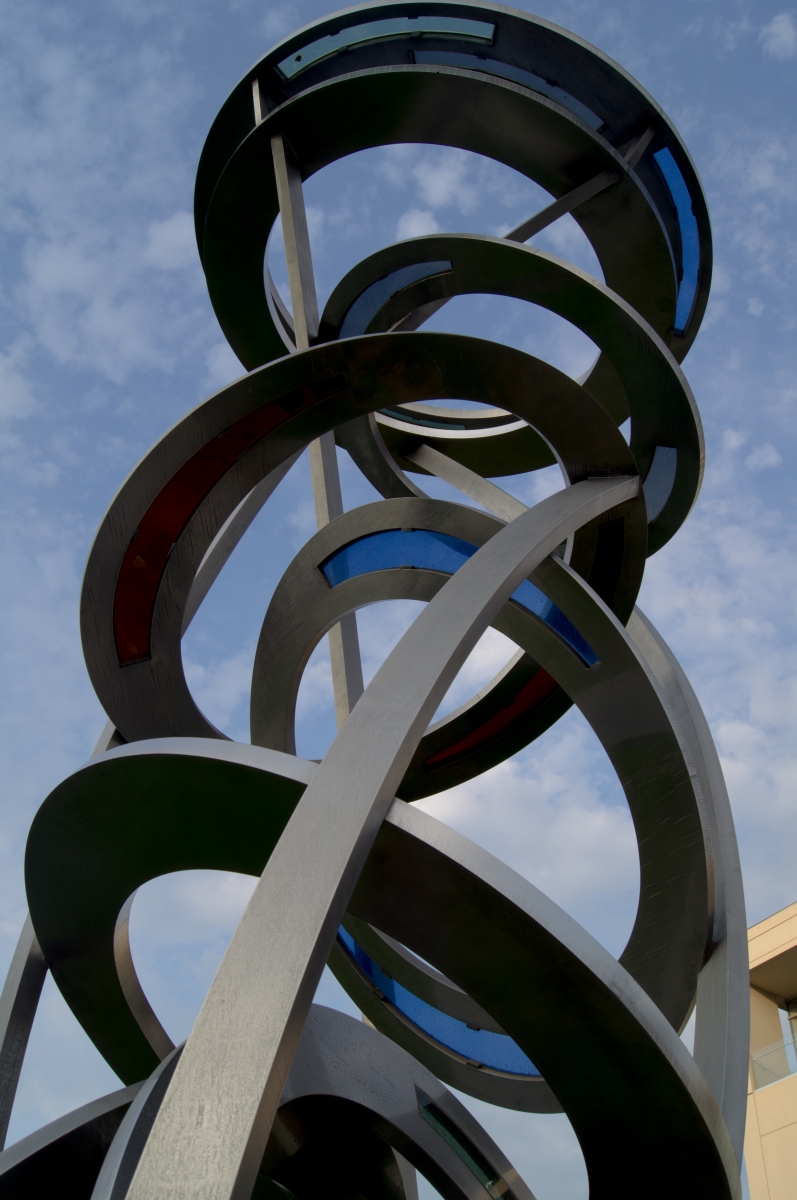
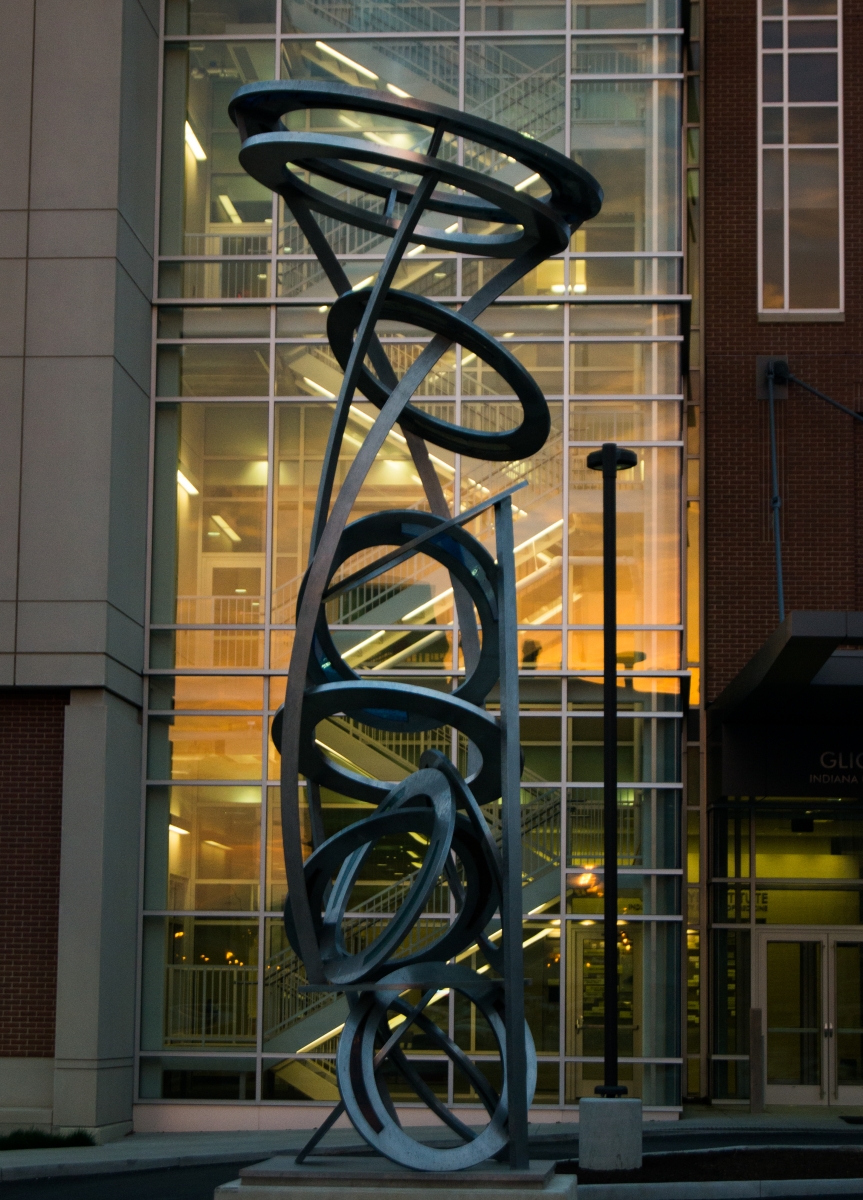
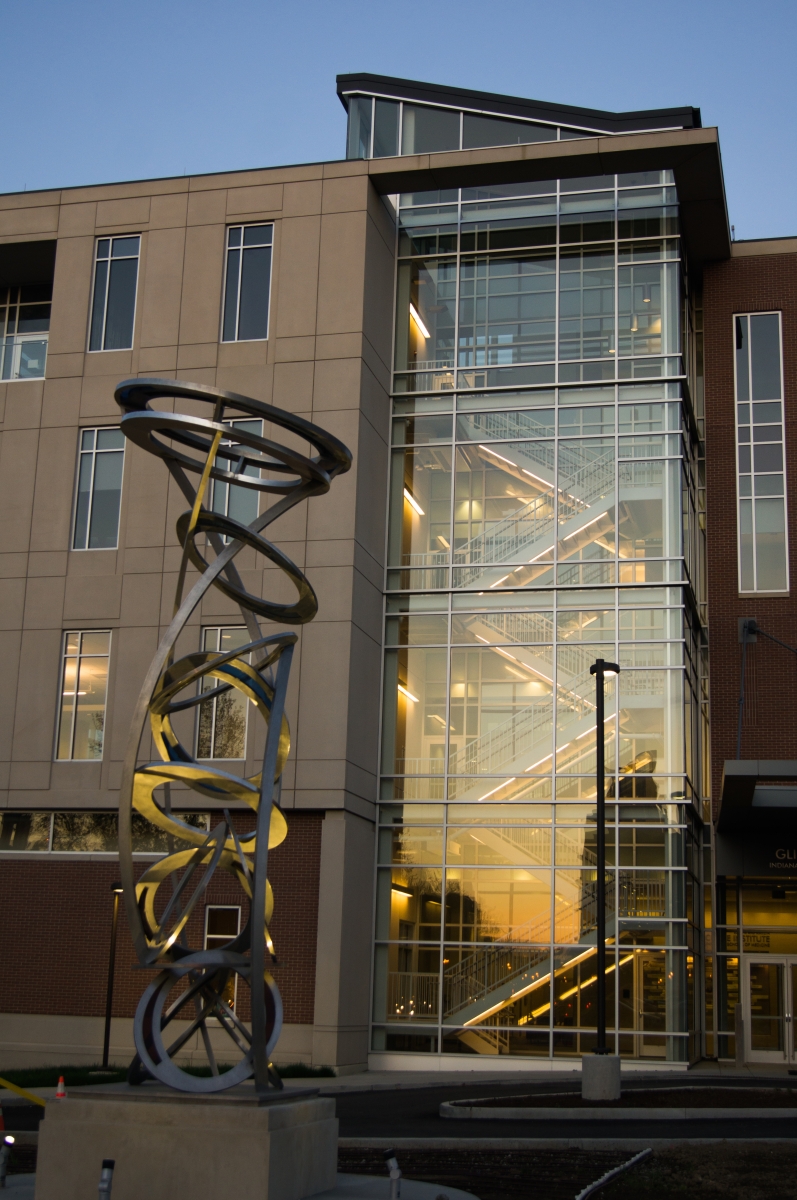
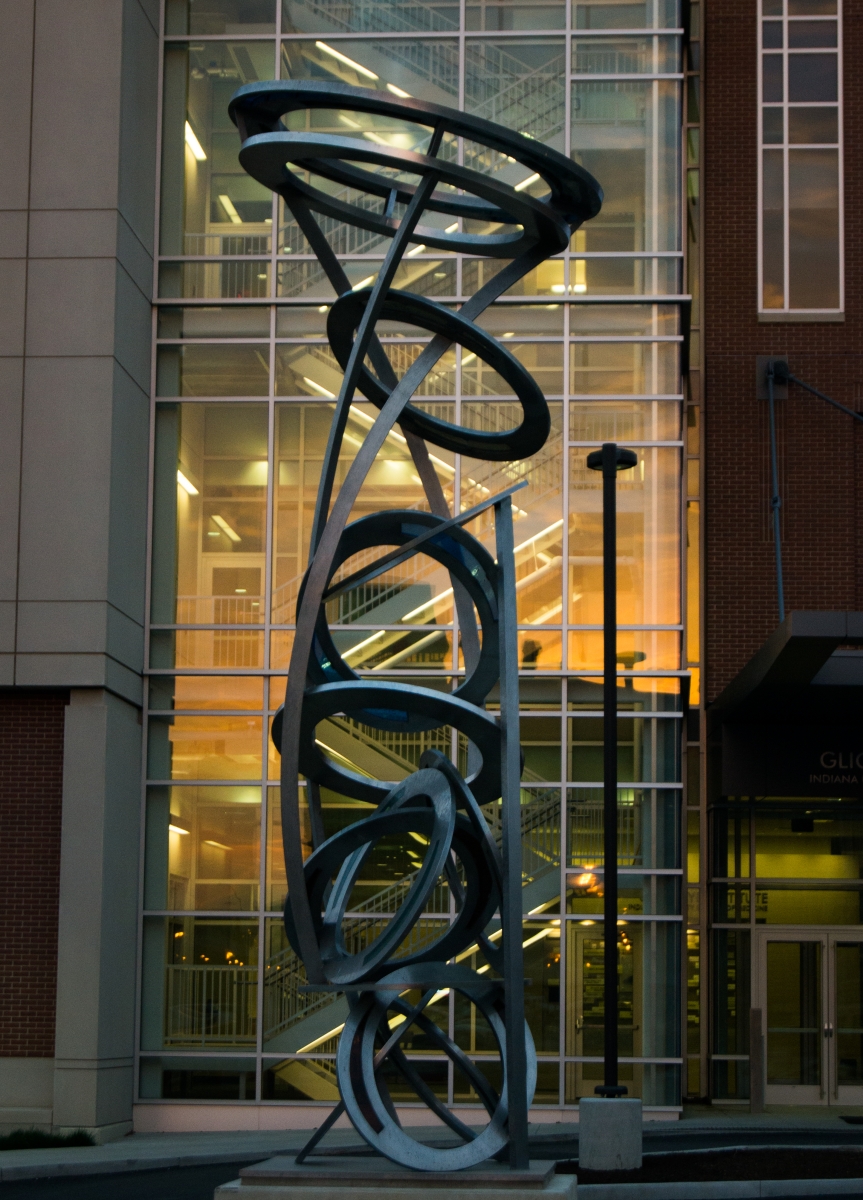
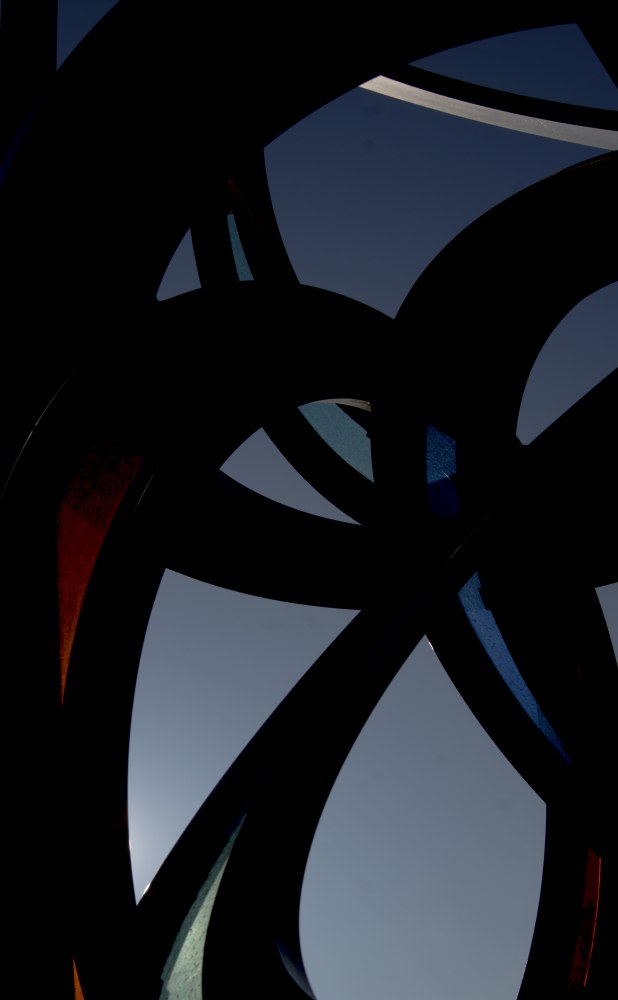
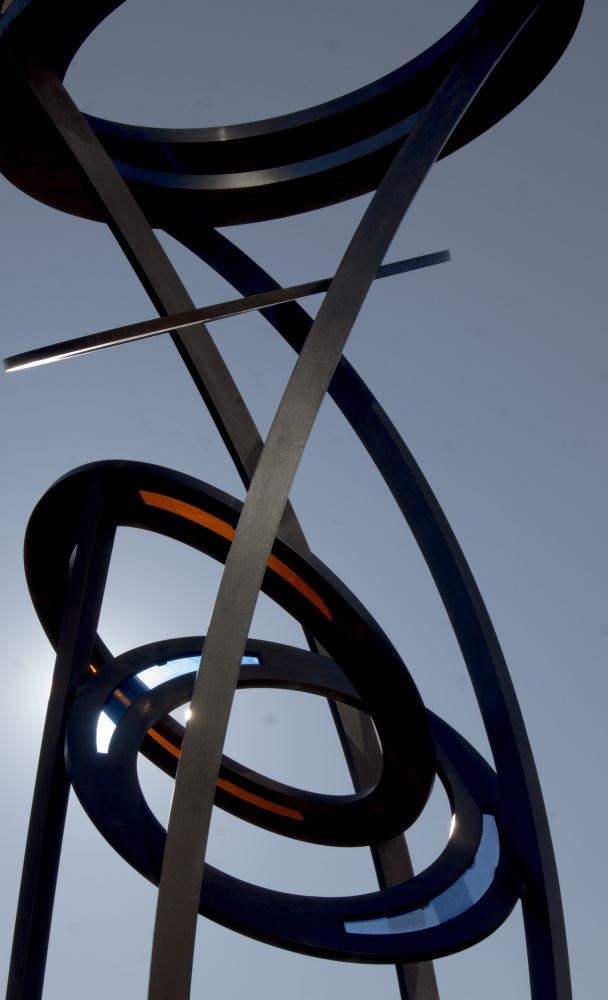
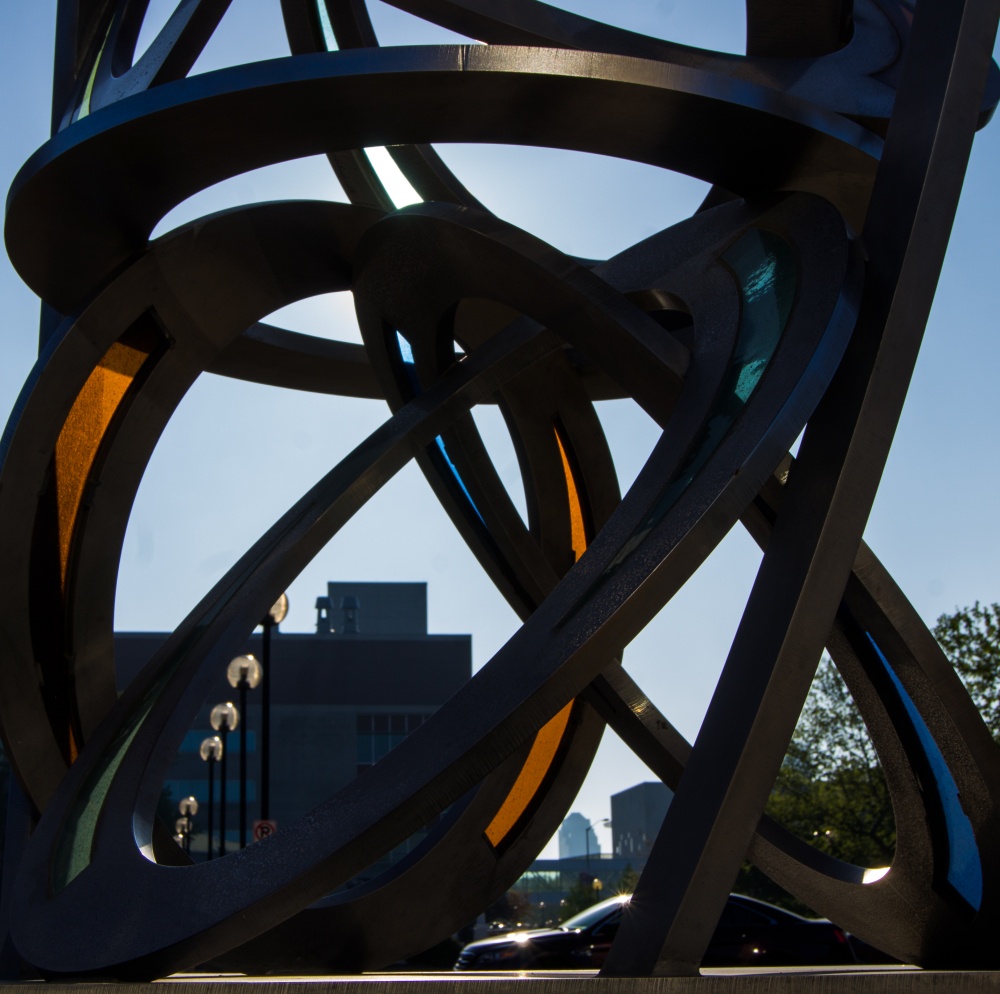
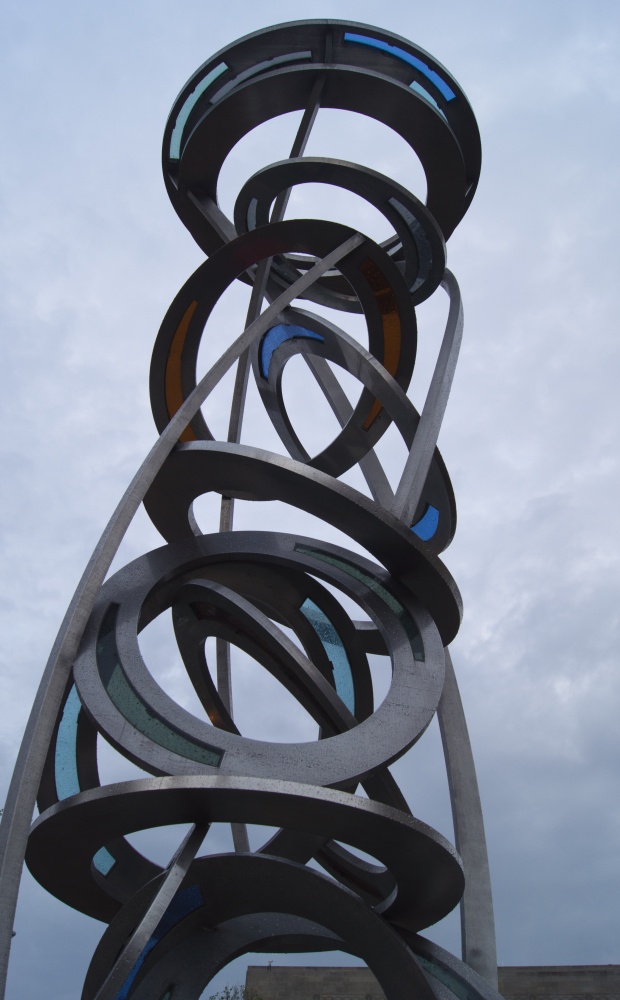
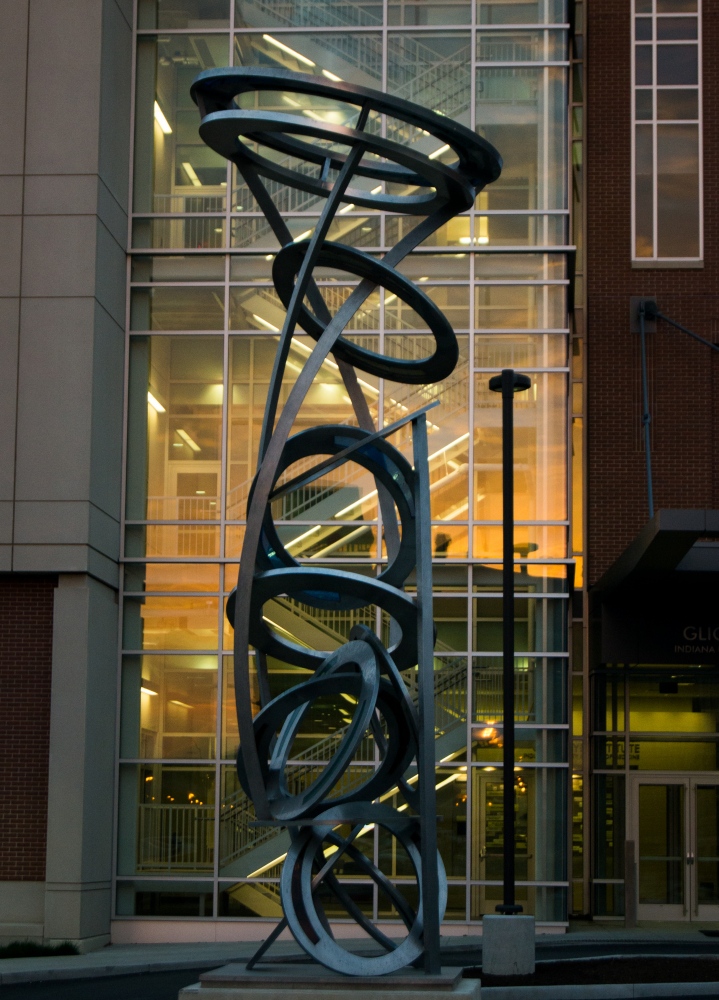
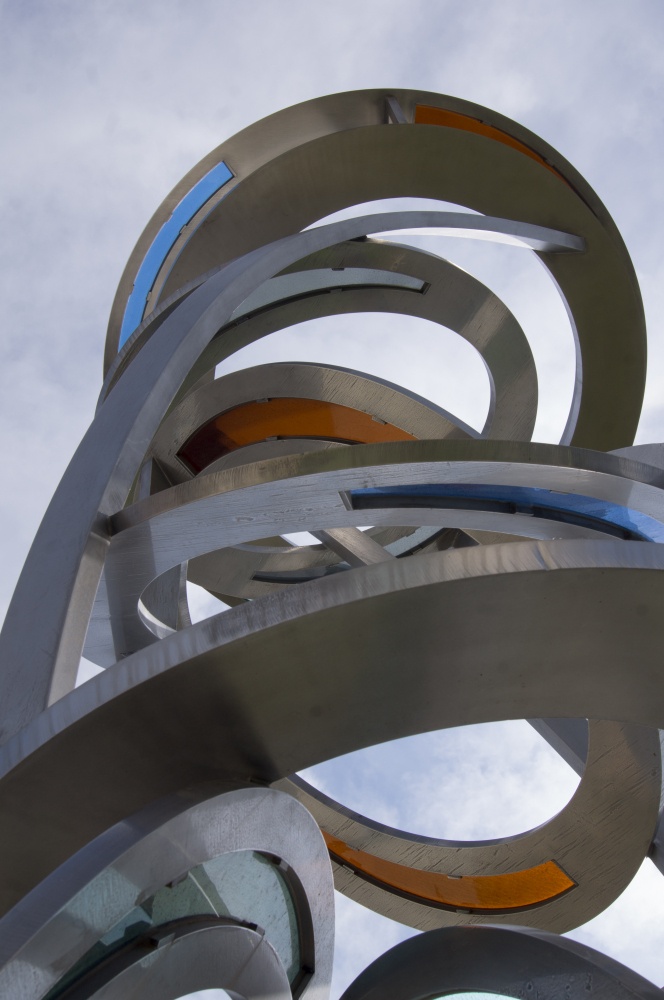
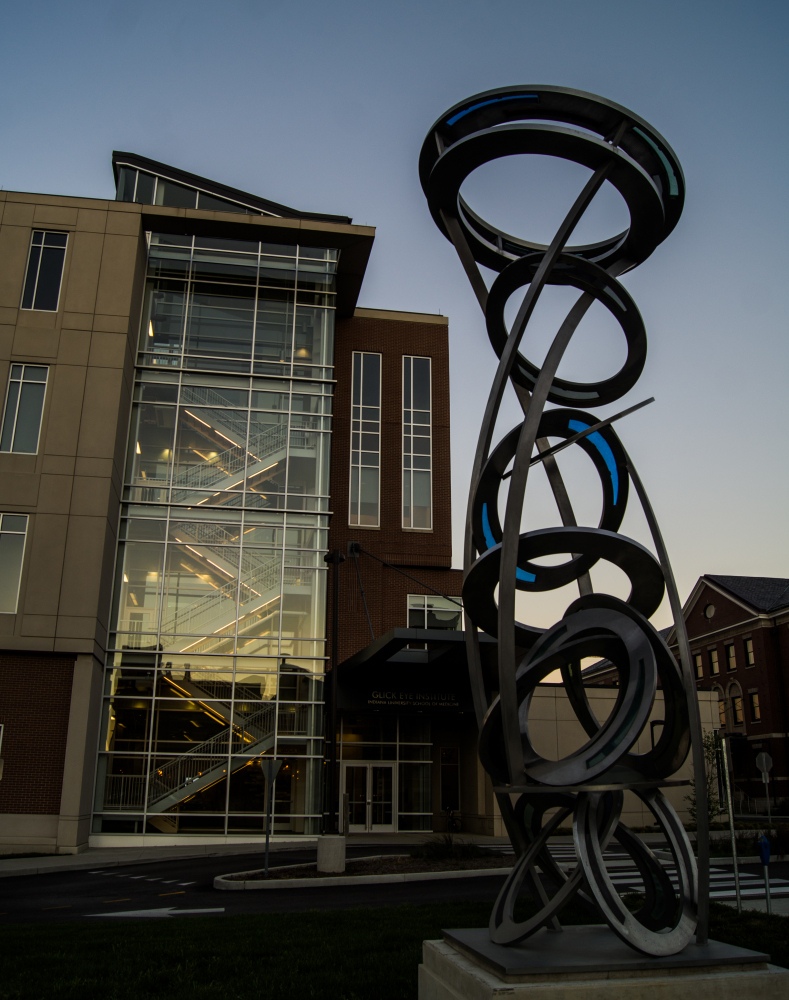
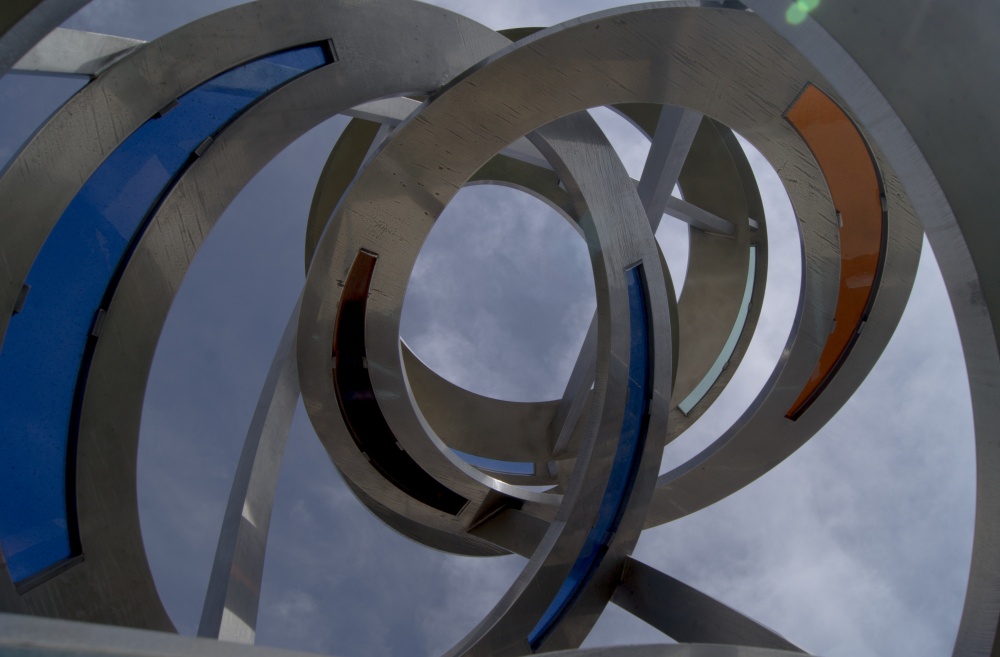
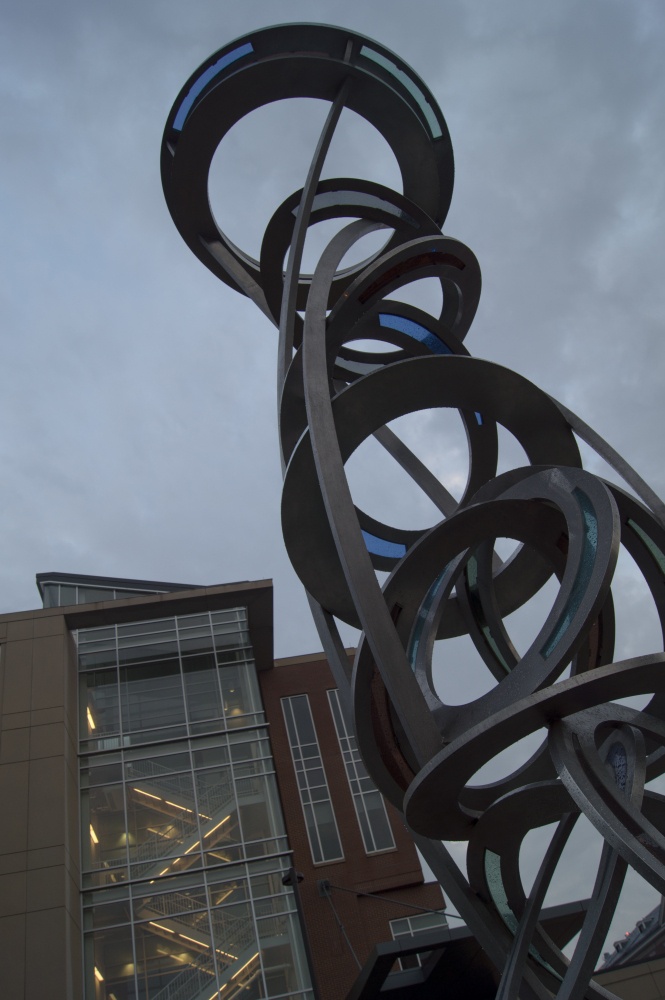
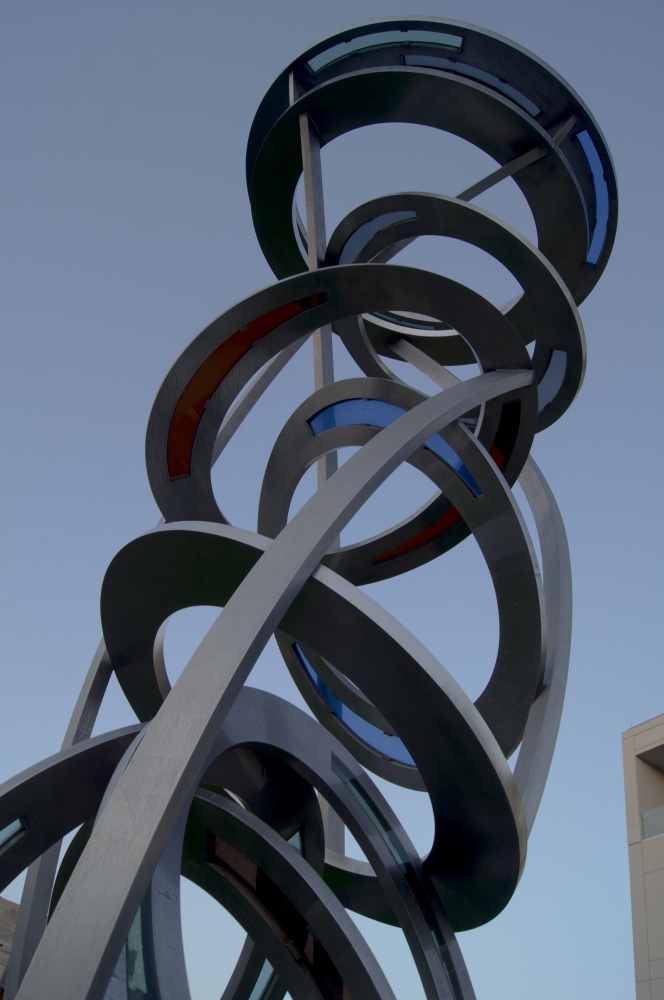
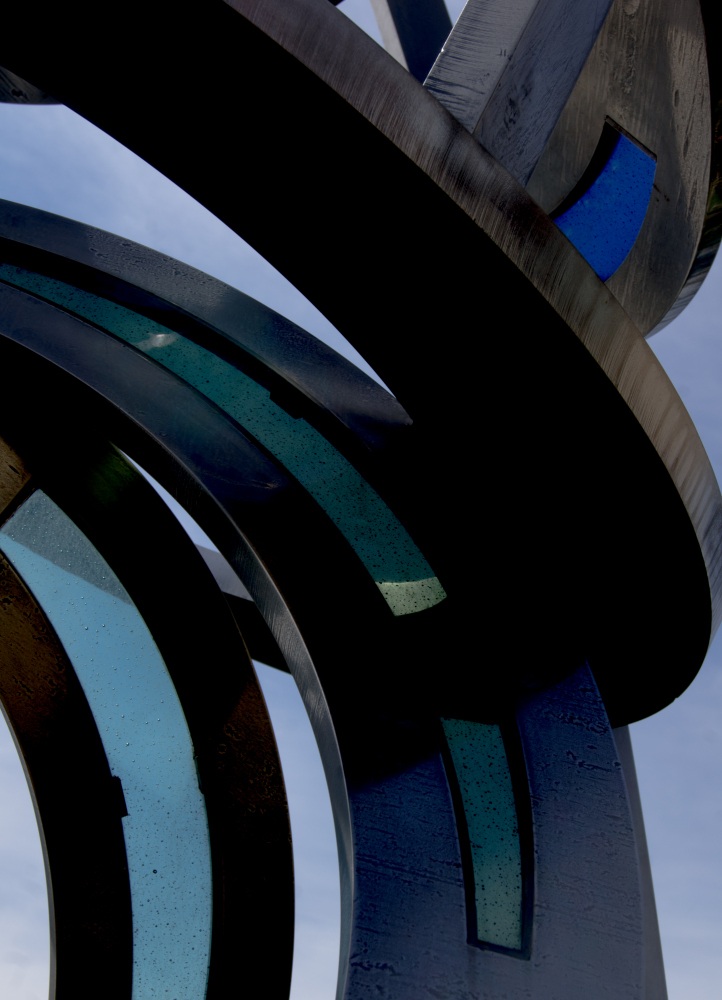
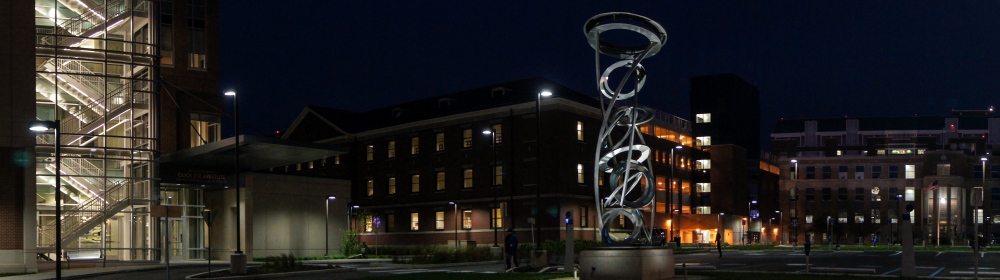
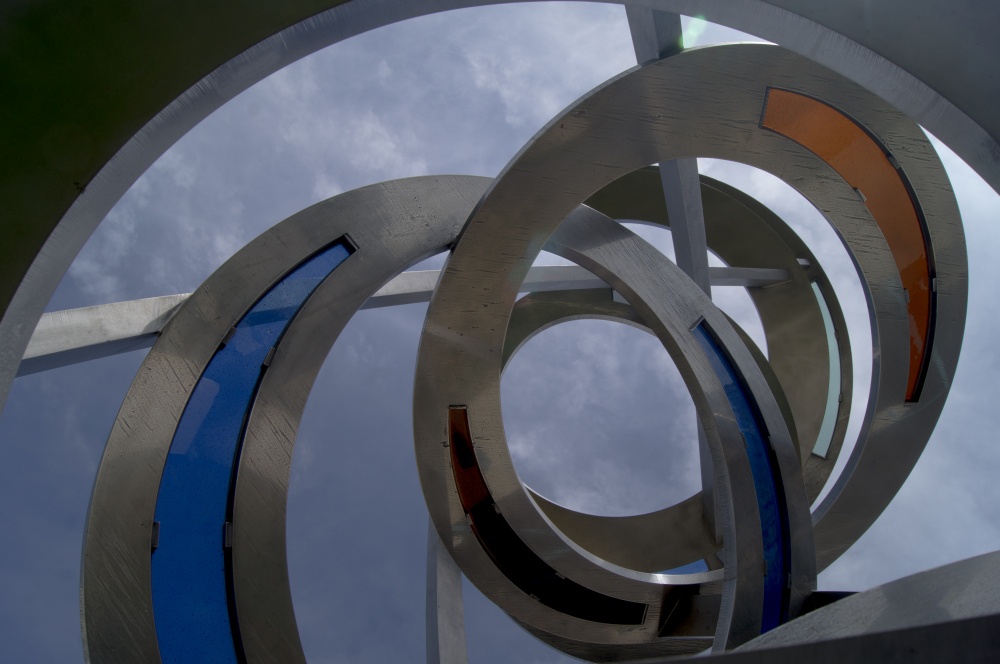
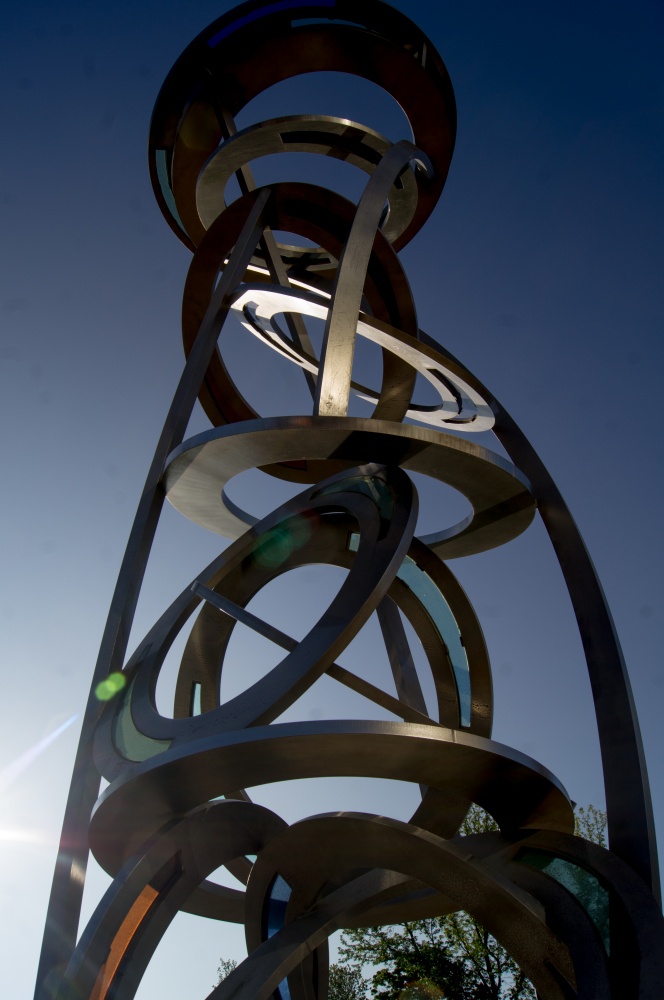
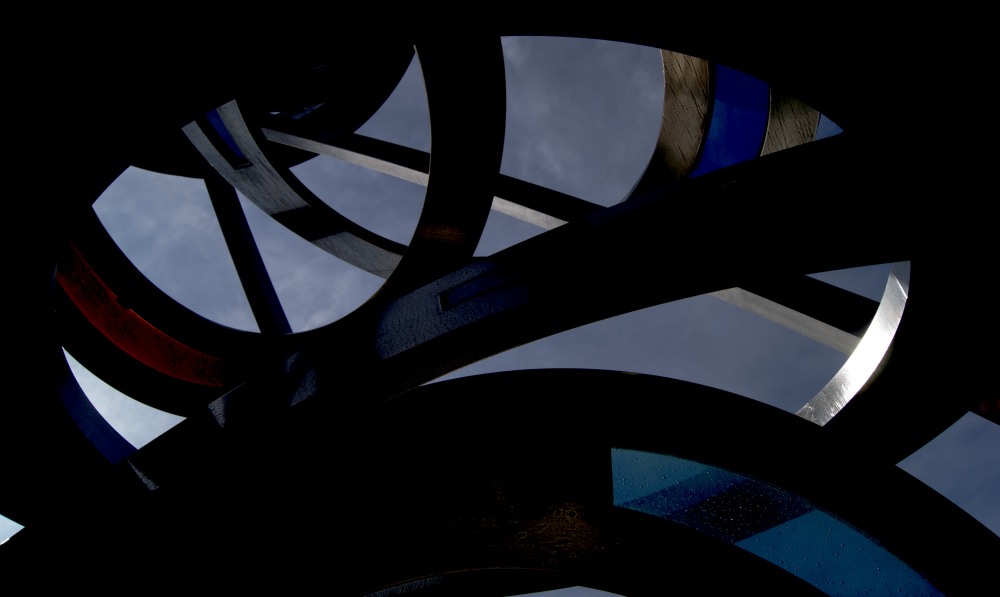
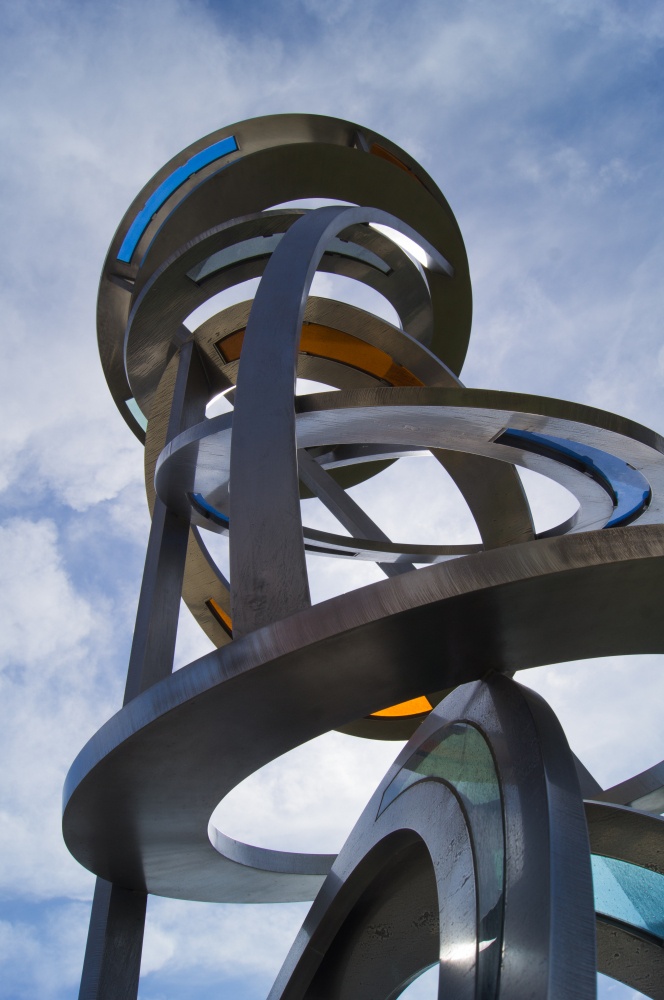
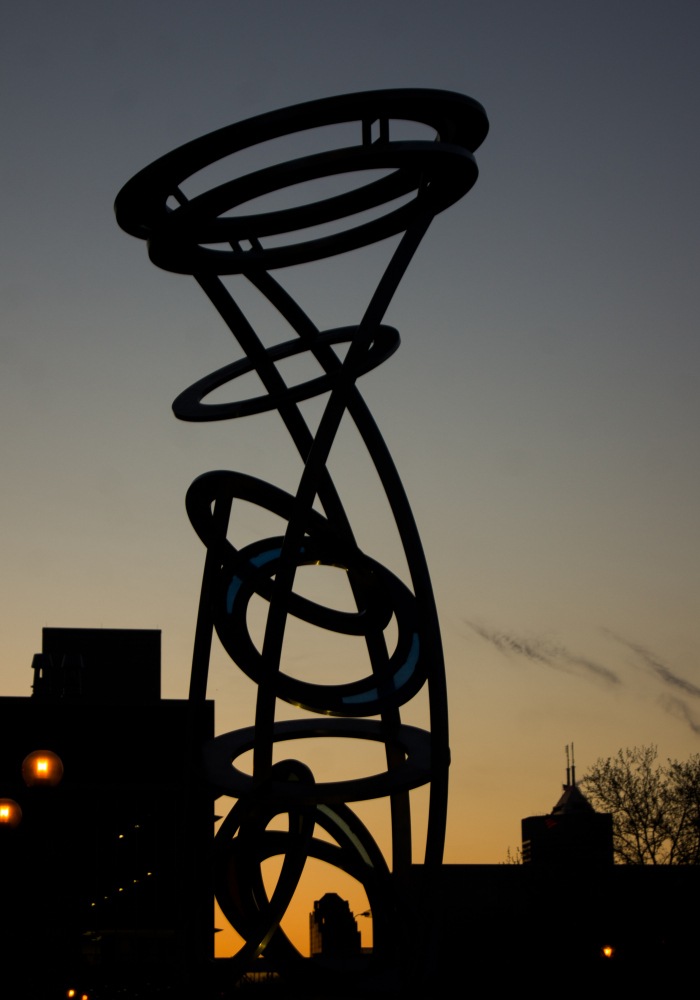
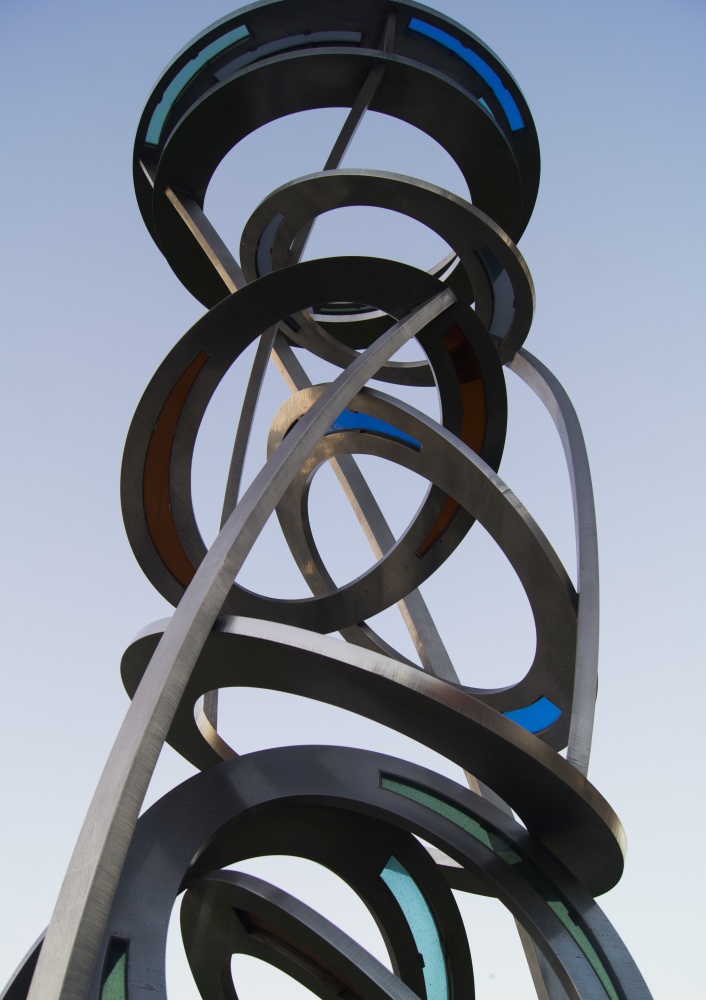
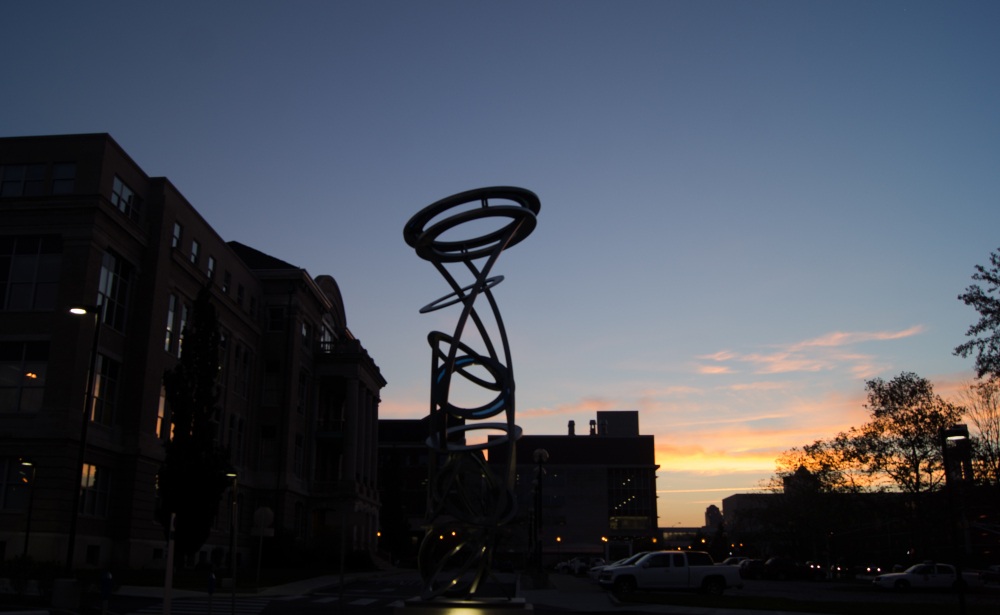
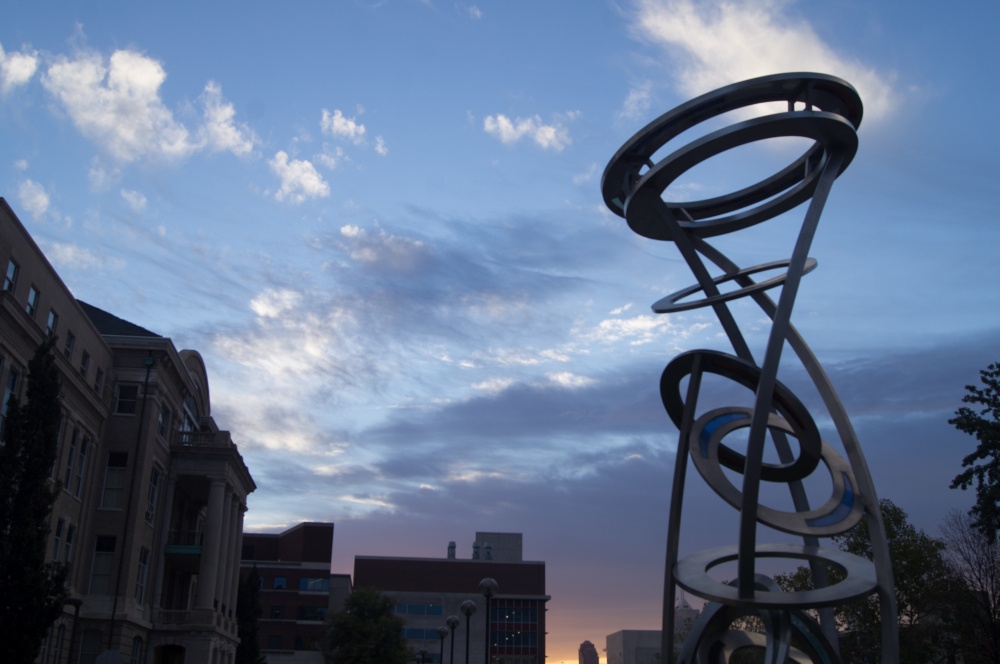
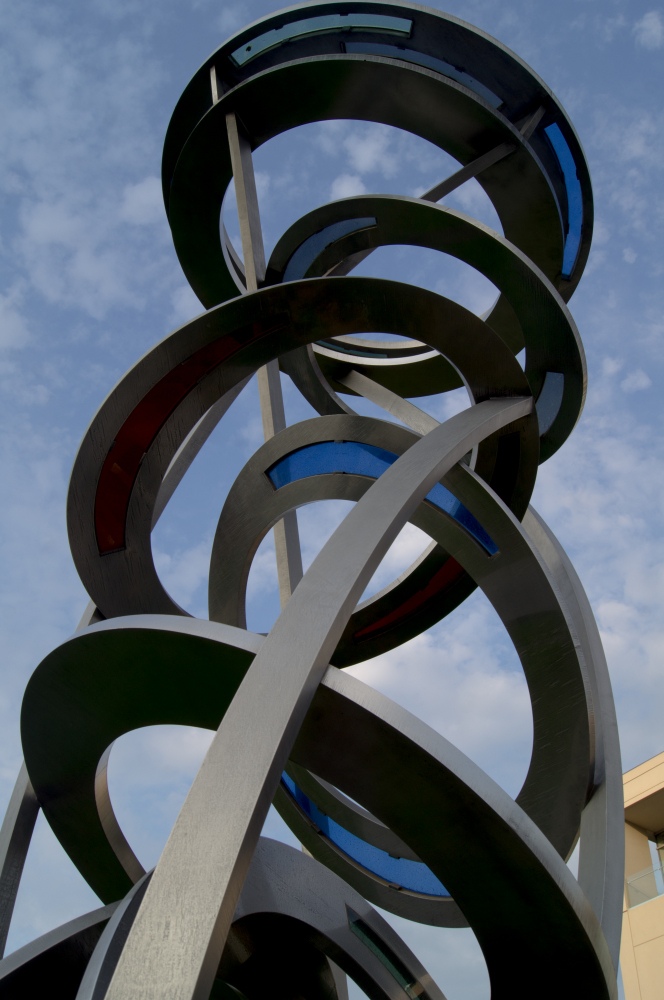
But what really came to mind when I saw this quote was my years of learning how to see the “Open Eyes” sculpture on the Indiana University Medical Center campus where the Children’s Hospital I worked at was located. Following are some excerpts from my blog posts. This is a link to over five hundred photos I took of the sculpture. https://tinyurl.com/OpenEyesSculpture
From an early age I found that I learned most by making mistakes, first related to the idea of experimentation in science, and later with experimentation with photography. To this day I look for challenging conditions related to lighting, focus, contrast, dynamic range, color and/or speed of a photographic subject. I learn a lot trying to capture and edit such images. For example, I took over 1,000 photos of the 18 ft. sculpture “Open Eyes”, in different lighting and weather conditions. Led to take risks
And particularly since the sculpture was about eyes and sight, and the use of colored glass, the interplay of light with the sculpture was revealed as important. So I began to go to the sculpture at different times of the day, which often meant going there on weekends, or very early in the morning. Similarly, since it was out in the weather elements, I became interested in seeing the interplay of the sculpture in the sun, rain and snow.
I decided what I was doing was trying to understand the sculpture as deeply as I could, and what it meant by exploring it visually from as many angles, and in as many different lighting and environmental situations as I could.
In 2012 I submitted some of the “Open Eyes” photos for the Eye Institute’s Art Project.
Why is public art being sought for the Eugene and Marilyn Glick Eye Institute?
It is important to have visual stimulation in a building dedicated to preserving eyesight and reducing vision impairments. Public art is being considered because a limited budget is available for purchased art. While an anonymous donation provided seed funding to purchase some art, and while fundraising to purchase new art continues, we must rely on the generosity of Indiana artists and artists who trained in Indiana to exhibit their works in the Glick Eye Institute.
We seek art that depicts or expresses vision, light, color, perspective and/or reflection.
My Submission
I still remember how astonished I was when I put on my first pair of eyeglasses and the world suddenly came into focus in incredible detail. It was like magic. I loved to read, and was aware of how important the eyeglasses were in making reading much easier and more enjoyable. I’d always been interested in science, so I learned the basics of optics. And I’ve had a lifelong, intense interest in photography, learning the theory and application of techniques to capture images. With photography I try to paint a picture with light in its many intensities, colors, and contrasts. I try to use novel perspectives and compositions to both better define three dimensional objects with a two dimensional medium, and to catch the viewer’s attention so he/she might look at something a little differently. I learned to do darkroom work in both high school and college, but am grateful for the digital revolution, which provides much greater control of almost all aspects of photography.
As a Quaker, and having been raised on working farms in Iowa, I have always had great interest in and concern for our environment. I use photography to try to promote appreciation for our natural world.
December 4, 2012
Dear Jeff,
Thank you for submitting your photography for consideration to the Eugene and Marilyn Glick Eye Institute’s Public Art Project.
We were fortunate to receive 123 submissions; all of the art was thoroughly reviewed by a committee comprised of IU School of Medicine faculty and staff, and artists from the Indianapolis community.
The committee is interested in exhibiting the photograph titled “Tulips” in the Glick Eye Institute for the calendar year 2013. We will accept the art for exhibition in January and will be in touch to arrange a mutually convenient date for delivery. Your pieces must be ready to hang; our facilities services employees and the IU art curator will oversee the installation.
Additionally, we wish to continue to incorporate your photography of “Open Eyes” in the institute’s printed materials and website. We thank you for allowing us to use those images.

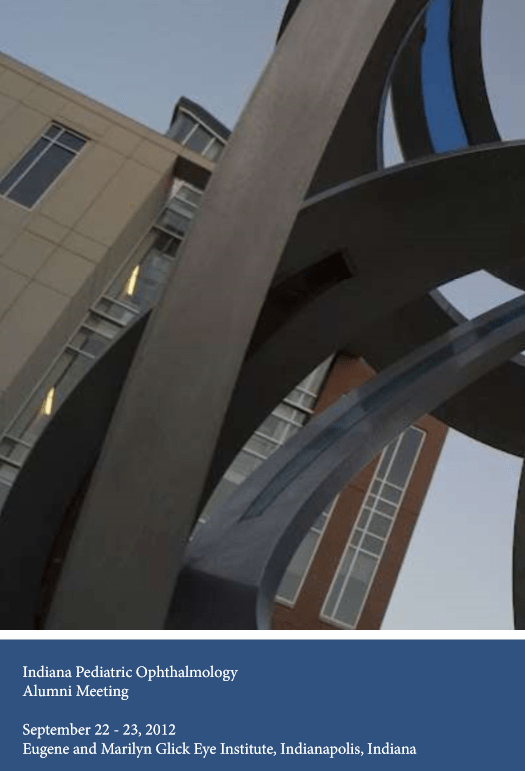
Here are some of the ways the Department of Ophthalmology used some of my “Open Eyes” photographs.


https://tinyurl.com/OpenEyesSculpture